Produced Water Reuse: What It Changes for Frac Fluid Additive Selection
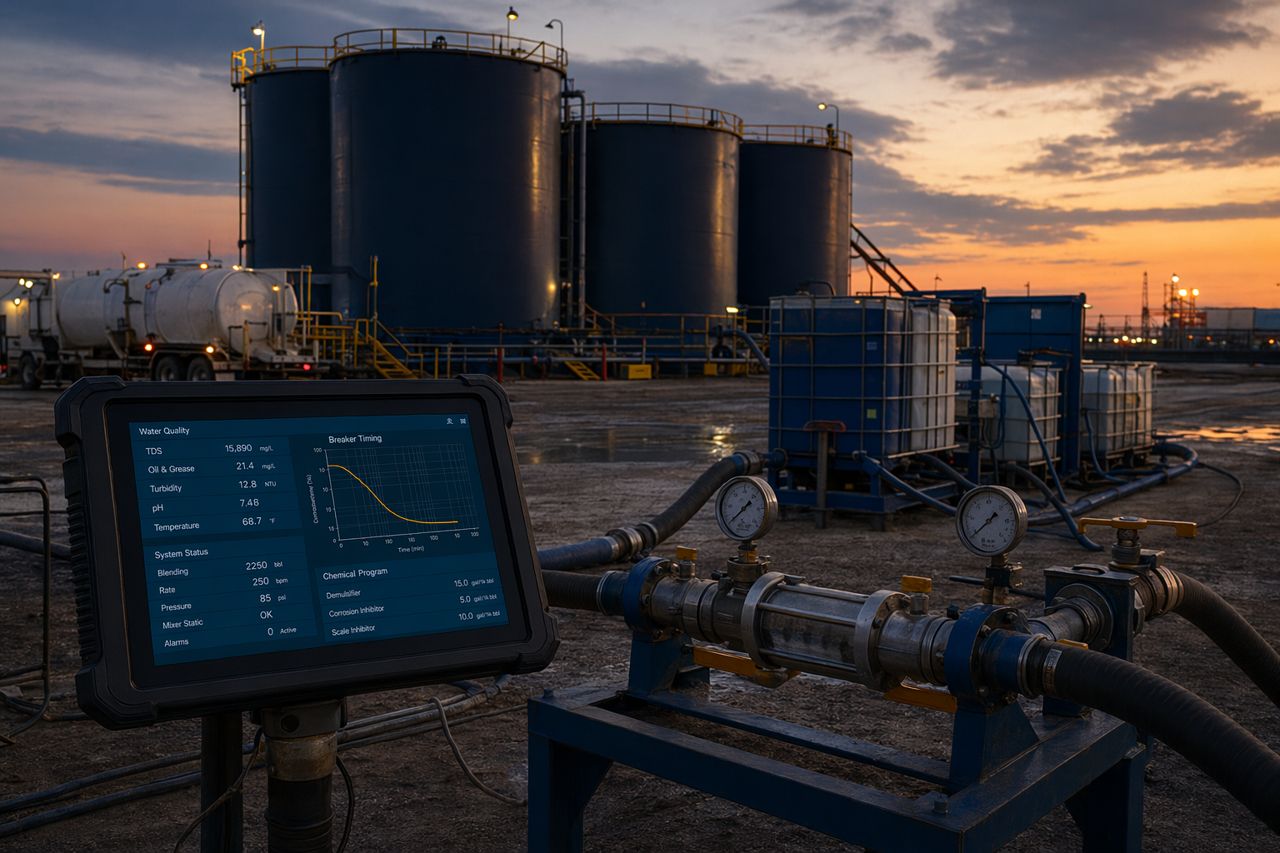
Produced water reuse is no longer a side project for many frac programs. It is a logistics, cost, disposal, and sourcing decision that directly changes the chemical environment of the frac fluid. For oilfield chemical suppliers, that means additive selection has to move beyond freshwater assumptions.
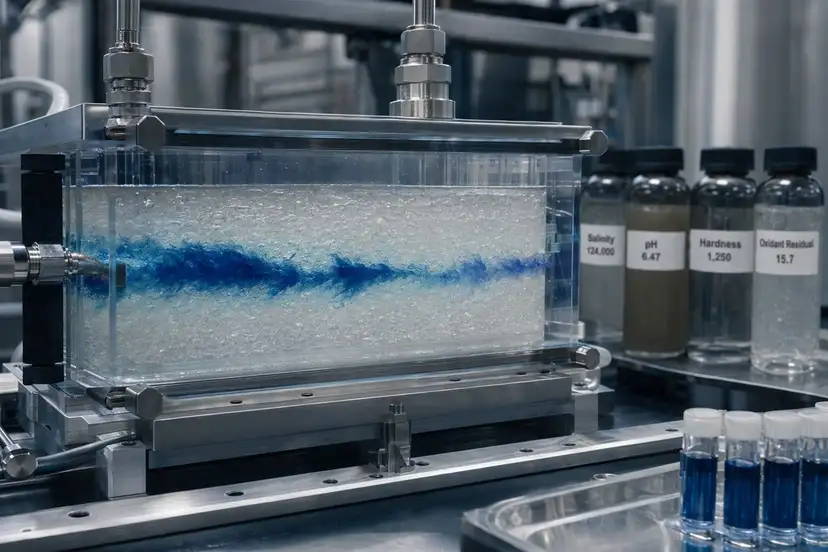
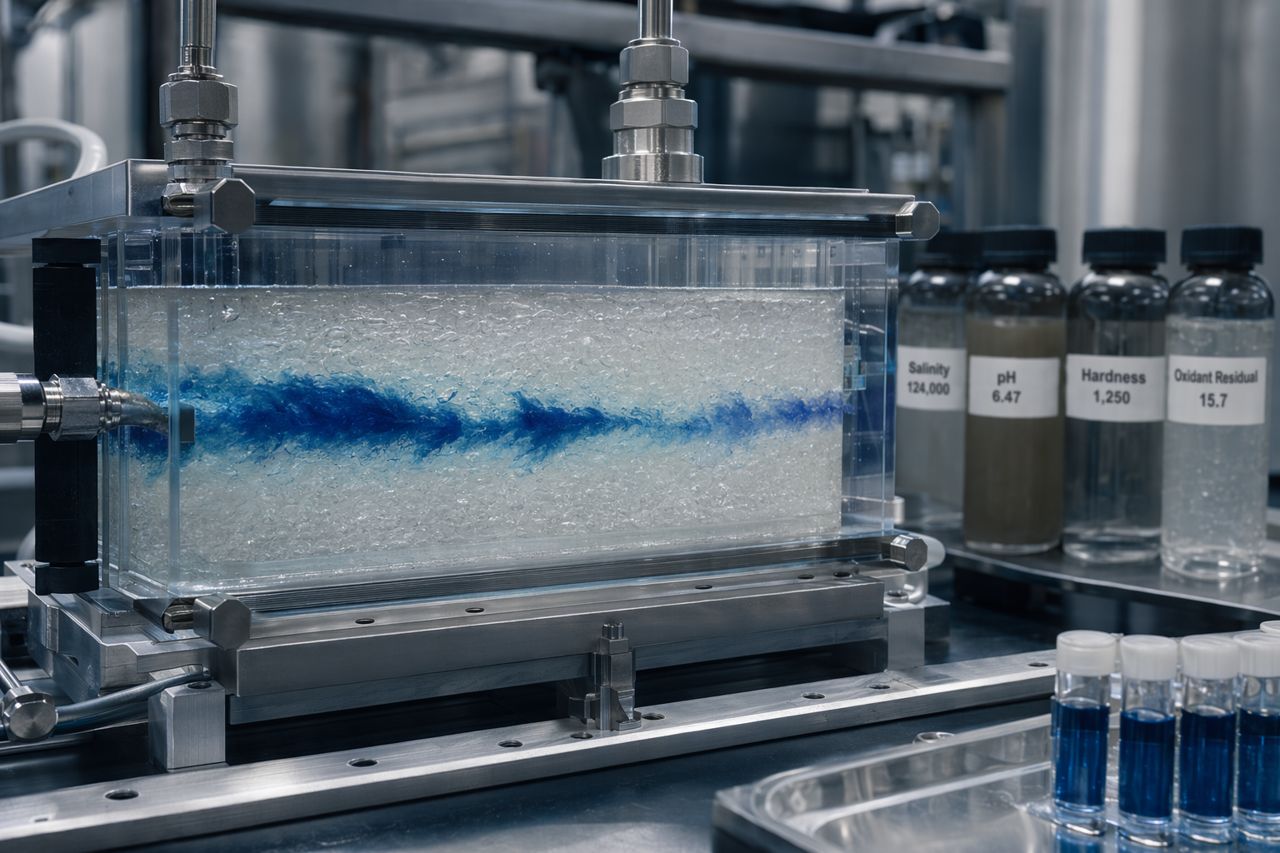
Higher salinity, variable divalent ions, residual oxidants, iron, suspended solids, and shifting biocide programs can all affect hydration, viscosity development, friction reduction, crosslinking behavior, and breaker timing. The question is not whether reused water can work. The question is whether the additive package is robust enough for the actual water quality window in the basin.
For product managers evaluating an enzyme breaker supplier for oilfield fluids, produced water reuse adds one more requirement: the breaker must fit the field water, not just the polymer.
Reused Water Is a Moving Formulation Variable
Freshwater-based design treats water as a relatively stable carrier. Produced water behaves more like a formulation ingredient.
Common variables include:
- Total dissolved solids and chloride level
- Calcium, magnesium, barium, strontium, and other divalent ions
- Iron content and oxidation state
- Suspended solids and fine particulates
- Residual hydrocarbons or surfactant carryover
- Sulfide risk and microbiological loading
- Residual oxidants from treatment or prior chemical programs
- pH drift during storage, blending, or heating
Each variable can shift additive performance. A formulation that looks clean in controlled lab water may hydrate slower, build less viscosity, shear differently, or break earlier than intended when transferred into reused water.
Salinity Changes the Margin for Error
High-TDS water can reduce the tolerance window for many frac additives. Polymer hydration may slow. Some friction reducers may require different inversion behavior or dose response. Crosslinked systems can become more sensitive to ion balance. Breaker timing may shift if the formulation was qualified only in low-salinity water.
For enzyme breakers, the key issue is not simply whether the enzyme is present. It is whether the enzyme remains compatible with the fluid environment long enough to deliver controlled polymer cleanup after placement.
A practical screening program should evaluate:
- The target polymer system, such as guar, modified guar, or compatible polysaccharide packages
- Expected salinity range instead of a single nominal sample
- Bottomhole temperature exposure time
- pH during mixing, pumping, and shut-in
- Interaction with crosslinkers, buffers, surfactants, clay control, scale control, and friction reducers
- Break timing under realistic shear and thermal history
The goal is commercial confidence: predictable cleanup without creating premature viscosity loss during pumping.
Oxidants Can Quietly Disrupt Breaker Strategy
Produced water reuse often involves treatment steps that leave residual oxidants. Chlorine-based oxidants, peroxide chemistry, persulfate programs, or oxidative biocide approaches can all influence the final frac fluid.
That matters because oxidants may already contribute to polymer degradation before the designed breaker has done its job. In other cases, residual oxidant chemistry may reduce the stability of sensitive additives in storage or after blending.
For chemical suppliers, the practical question is whether oxidant control is part of the additive selection workflow. If not, apparent breaker performance may vary from job to job for reasons unrelated to the breaker product itself.
Useful field-facing checks include:
- Confirm whether water treatment leaves a residual oxidant at blending
- Track oxidant level variability across storage tanks or source changes
- Evaluate enzyme breaker compatibility with the intended oxidant scavenger or neutralization step
- Avoid assuming a freshwater breaker curve will transfer directly into reused water
Biocide Programs Can Affect the Whole Package
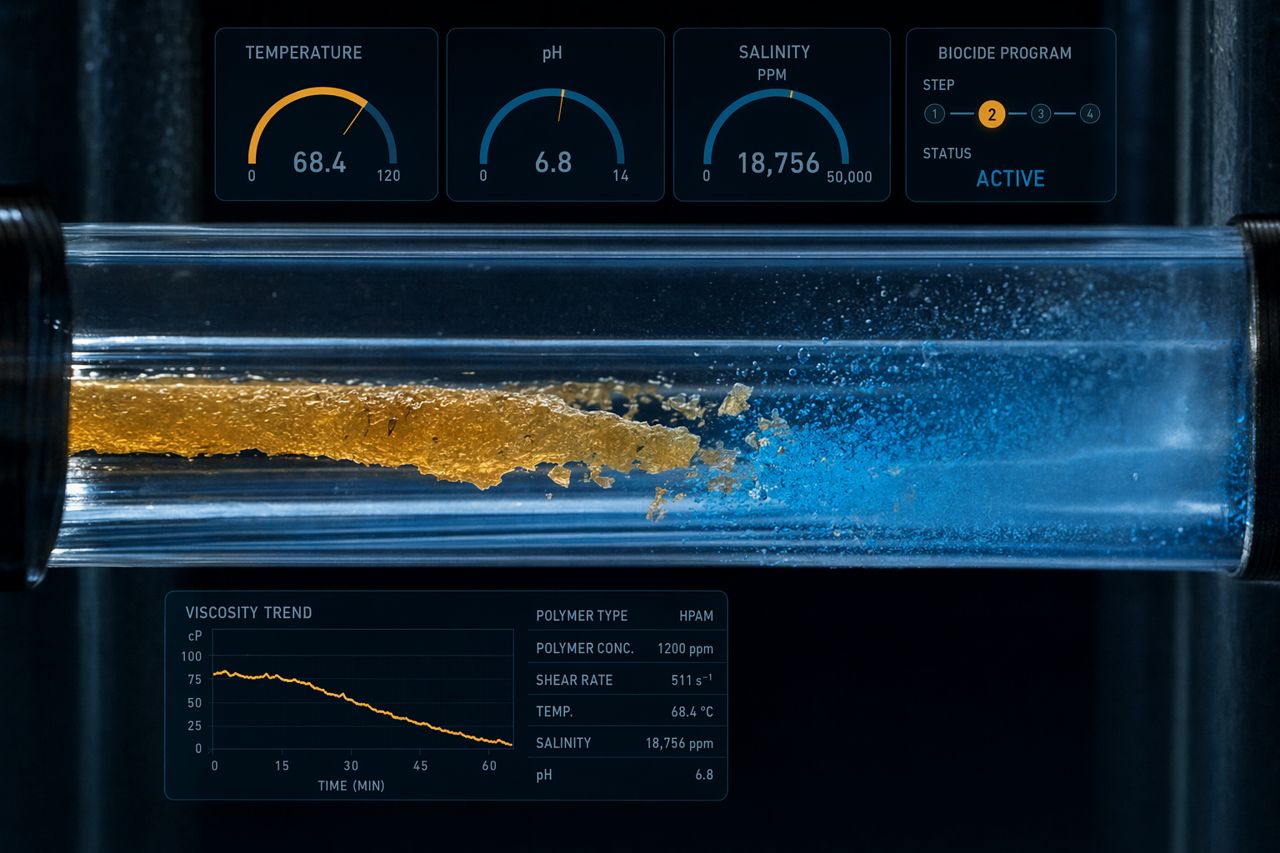
Produced water reuse increases attention on microbiology. Biocide choice, dose, sequence, and contact time can influence additive performance as much as the microbial risk itself.
Common oilfield biocide programs may include oxidizing and non-oxidizing chemistries, sometimes in combination. These can interact differently with enzymes, polymers, surfactants, and friction reducers.
From a product development standpoint, the breaker should be evaluated in the presence of the biocide program expected in the field, not only in clean brine. That includes the actual order of addition when possible.
Sequence can matter:
- Water treatment and storage
- Oxidant control or neutralization
- Hydration or polymer addition
- Crosslinker, buffer, and supporting additives
- Breaker addition at the designed stage
A breaker that performs well when added to a clean prepared gel may behave differently when introduced into a chemically active reused-water system.
Additive Robustness Is a Procurement Advantage
For oilfield chemical service companies, produced water reuse makes additive robustness a commercial feature. Customers are not only buying chemistry. They are buying fewer surprises during water source changes, pad-to-pad variation, and late-stage schedule pressure.
A more robust enzyme breaker program can support:
- Broader field water qualification
- Cleaner breaker timing discussions with operators
- Lower reformulation burden when reuse ratios change
- Better alignment with regional supply constraints
- More confident recommendations for guar-based or modified-guar fluid systems
- Reduced risk of premature break or delayed cleanup
This does not mean one breaker fits every basin, temperature, pH, or fluid design. It means supplier selection should prioritize formulation fit and validation discipline over generic compatibility claims.
What Product Managers Should Ask Before Selecting a Breaker
Before approving an enzyme breaker for produced-water frac programs, ask for answers that connect directly to field execution.
Water Quality Fit
- What salinity and hardness windows have been evaluated?
- How does performance change with produced water blend ratio?
- Has the product been screened against iron, sulfide risk, or suspended solids where relevant?
Fluid System Fit
- Which polymer systems were targeted?
- Is the product intended for linear gel, crosslinked gel, or specific hybrid systems?
- How does the breaker behave with common buffers, surfactants, scale inhibitors, clay stabilizers, and friction reducers?
Operating Window
- What temperature and pH range is commercially relevant for the intended basins?
- How sensitive is breaker timing to additive order, storage time, and shear exposure?
- What changes if residual oxidant or biocide chemistry is present?
Supply and Implementation
- Can the supplier support repeatable production quality?
- Are packaging, lead time, and documentation aligned with oilfield procurement needs?
- Can the supplier support side-by-side qualification using customer water and fluid recipes?
FracTide Labs Perspective
FracTide Labs supports oilfield chemical companies that need enzyme breaker options designed around real fracturing-fluid constraints. Our focus is practical formulation fit: polymer compatibility, temperature and pH window, salinity tolerance, breaker timing, and chemical package interaction.
We do not recommend selecting a breaker from a datasheet alone. Produced water reuse makes direct compatibility work more important. The right evaluation should include representative water, actual additive sequence, and a clear definition of the desired break profile.
If your team is qualifying an enzyme breaker for reused-water frac programs, we can review the operating window, target fluid system, and compatibility requirements before quoting.
Request a Quote
Need an enzyme breaker option for produced-water frac fluid development? Use the on-site request form and include your polymer system, target temperature range, pH window, produced water blend ratio, and known biocide or oxidant program.
Request a quote