From Lab Bench to Blender: Why Frac Additives Behave Differently in the Field
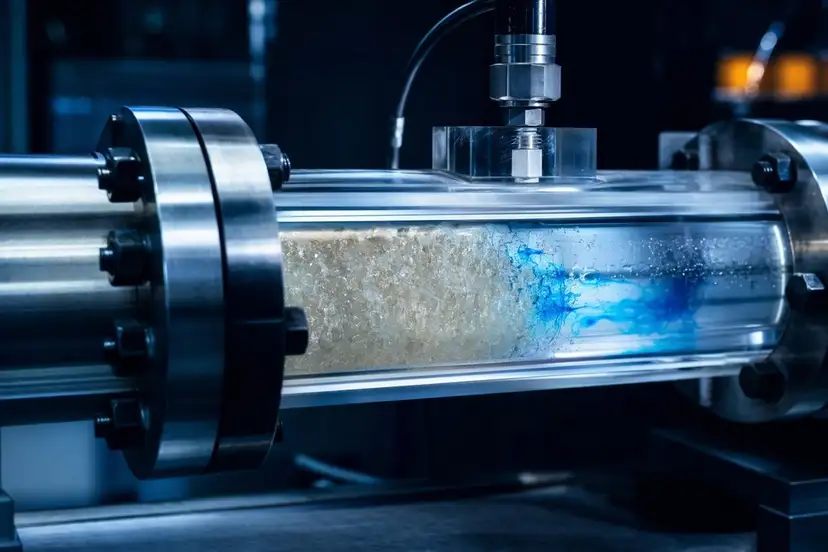
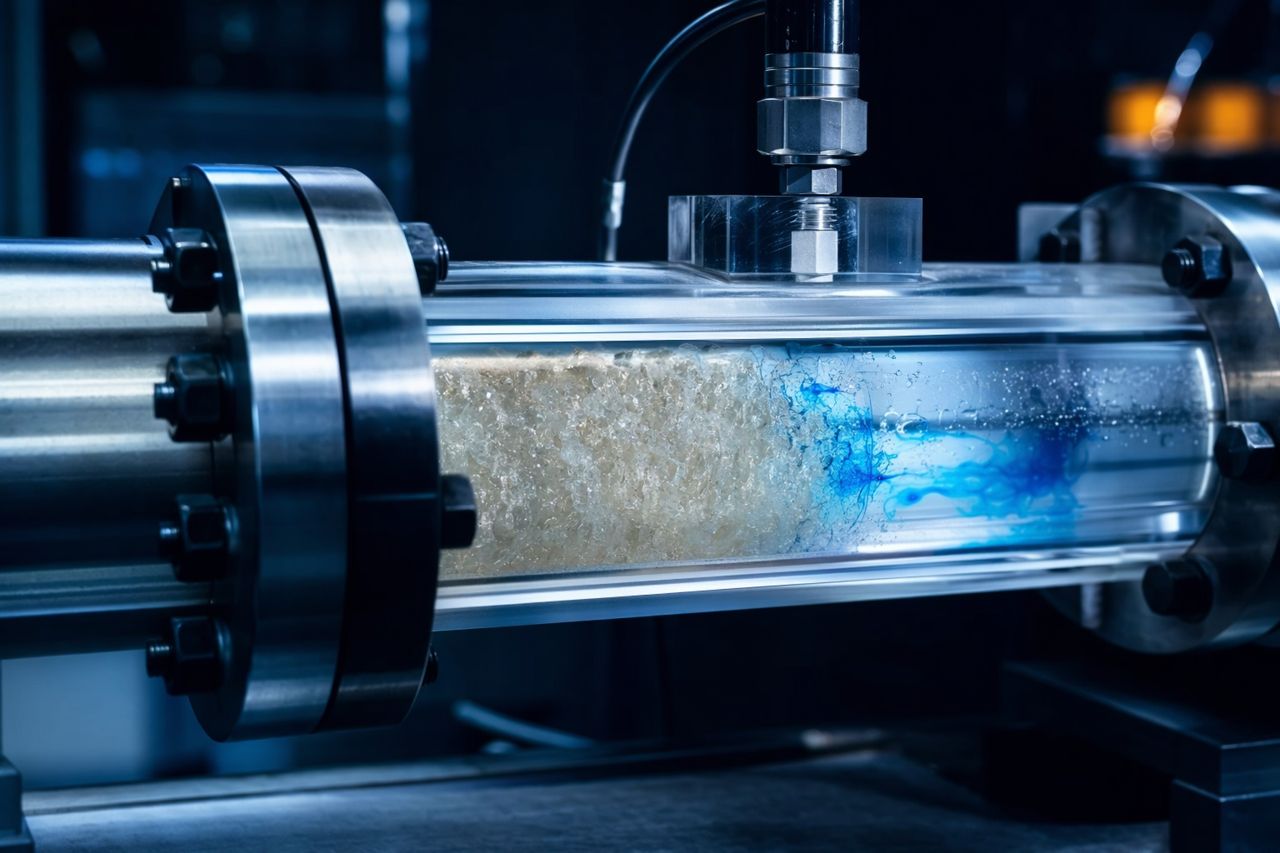
A frac-fluid additive can look orderly on the lab bench and still behave differently once it reaches a blender, hydration unit, missile, wellbore, and fracture network. That gap matters for product managers at oilfield chemical service companies because customers are not buying a beaker result. They are buying predictable field execution.
For an enzyme breaker supplier for oilfield fluids, the commercial question is not simply whether polymer viscosity can be reduced. The question is whether the breaker fits the real operating window: water source, polymer selection, crosslinking chemistry, pH, salinity, bottomhole temperature, residence time, additive order, and the cleanup objective after placement.
Why bench behavior shifts at field scale
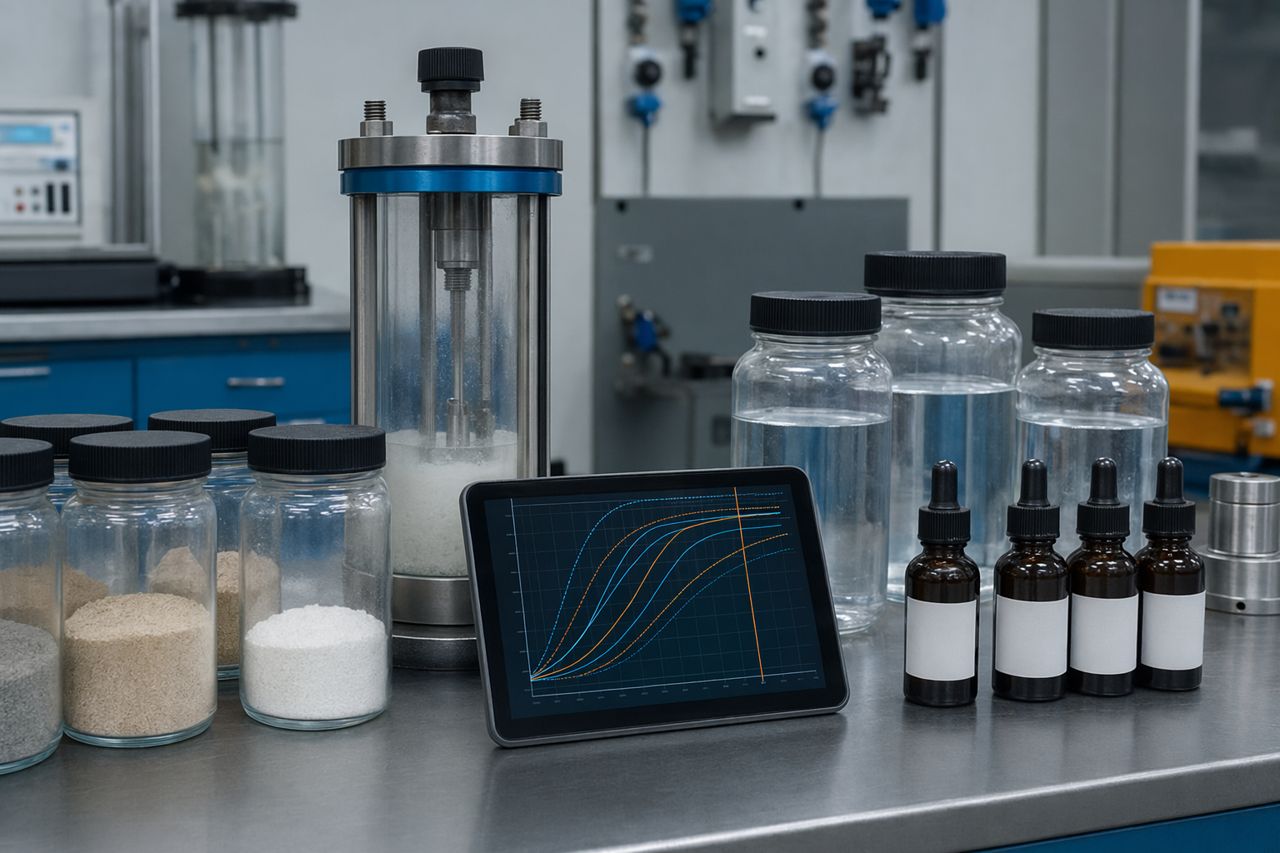
Laboratory screening is useful because it isolates variables. Field pumping does the opposite. It combines variables under time pressure.
Common sources of field divergence include:
- Hydration history: Guar and derivative polymers may not hydrate identically when water quality, mix energy, and residence time change.
- Shear exposure: Blender tubs, transfer pumps, iron, perforations, and fracture entry can change apparent viscosity and polymer structure before the breaker has done much work.
- Additive order: Buffers, crosslinkers, surfactants, friction reducers, biocides, clay control, scale inhibitors, and breakers may interact differently depending on when they are introduced.
- Water variability: Freshwater, brackish water, recycled water, and produced-water blends can shift pH, hardness, metals, oxidant demand, and salt load.
- Thermal profile: A fluid does not instantly see bottomhole temperature. Breaker response often depends on the time-temperature path from surface mixing to fracture closure.
- Residence time: The pump schedule, stage length, pad volume, proppant ramp, shut-in plan, and flowback timing all affect the desired breaker curve.
A good supplier treats these variables as formulation inputs, not excuses.
The breaker timing problem
Breaker selection is usually a timing problem. Break too early and fluid efficiency, proppant transport, and screenout risk may become concerns. Break too late and cleanup, load recovery, and early production response may suffer.
Enzyme breaker systems are often considered when a customer wants controlled polymer degradation within a defined temperature and pH window. The fit depends on the full fluid package. A breaker that performs well in a simple gel may need adjustment when the final service-company formulation includes crosslinkers, buffers, surfactants, salts, friction reducer carryover, biocide, and field water.
At FracTide Labs, formulation discussions usually start with practical questions:
- What polymer and loading range will be used?
- Is the system linear, delayed crosslinked, or crosslinked at surface?
- What pH range is expected at mix, during pumping, and downhole?
- What are the anticipated bottomhole temperature and residence time?
- What water sources are realistic across the target basin?
- What cleanup target defines success for the customer?
- What packaging, handling, and delivery cadence does the service company need?
The answer is rarely one universal product. It is a breaker option mapped to a fluid window.
Compatibility is a commercial issue, not just a lab issue
Product managers are often measured on launch reliability. A new additive that creates field questions can consume technical-service time, district inventory space, and customer confidence.
That is why compatibility review should cover the operating formulation, not just the active ingredient. For enzyme breaker programs, buyers typically need confidence across:
- Guar and common guar-derivative systems
- Borate and organometallic crosslinker packages where applicable
- pH buffers and delayed pH systems
- Slickwater and hybrid fluid transitions
- Surfactants, mutual solvents, clay control, and scale-control additives
- Biocide programs and oxidizing residuals
- High-salinity or recycled-water scenarios
- Storage, transportation, and field handling conditions
No supplier can remove every field variable. The better goal is to identify the sensitive variables before the product reaches the district yard.
What field validation should prove
Field validation does not need to be theatrical. It needs to be useful.
A practical validation package may include:
- Defined operating window for temperature, pH, salinity, and polymer system
- Compatibility notes for the intended additive package
- Breaker-timing guidance tied to pump schedule and cleanup objective
- Handling and storage guidance for field personnel
- Batch documentation and change-control expectations
- Scale-up plan from pilot supply to recurring demand
- Clear limits where another breaker strategy may be more appropriate
The most valuable result is not a perfect curve in isolation. It is fewer surprises during commercialization.
Where guest field perspectives add value
FracTide Labs welcomes practical field input from consultants, stimulation engineers, blender-equipment specialists, and chemical-service teams. Useful contributions often address questions such as:
- Where did a lab-qualified additive encounter unexpected field behavior?
- Which blender or hydration variables affected fluid consistency?
- How did water sourcing change breaker timing or fluid cleanup?
- What documentation helped the customer approve a new additive?
- What packaging or delivery issue mattered more than expected?
Industry progress comes from connecting lab chemistry with field execution. The best additive programs are built with both in view.
One-minute explainer
[Embedded faceless explainer video: lab bench to blender additive behavior]
Buyer takeaway
If you are sourcing an enzyme breaker for an oilfield fluid line, evaluate more than initial lab performance. Ask how the supplier supports formulation fit, operating windows, breaker timing, compatibility review, documentation, and repeatable supply.
FracTide Labs works with oilfield chemical service companies that need controlled enzyme breaker options for defined fracturing-fluid systems.
Planning a new breaker package or revising an existing additive line? Request a quote through the on-site form and share your fluid window, target basin, packaging needs, and commercial timeline.