Guar Supply Volatility and Its Impact on Breaker Package Design
Guar volatility is not just a procurement issue. For oilfield chemical service companies, it can shift the practical design space for fracturing-fluid packages.
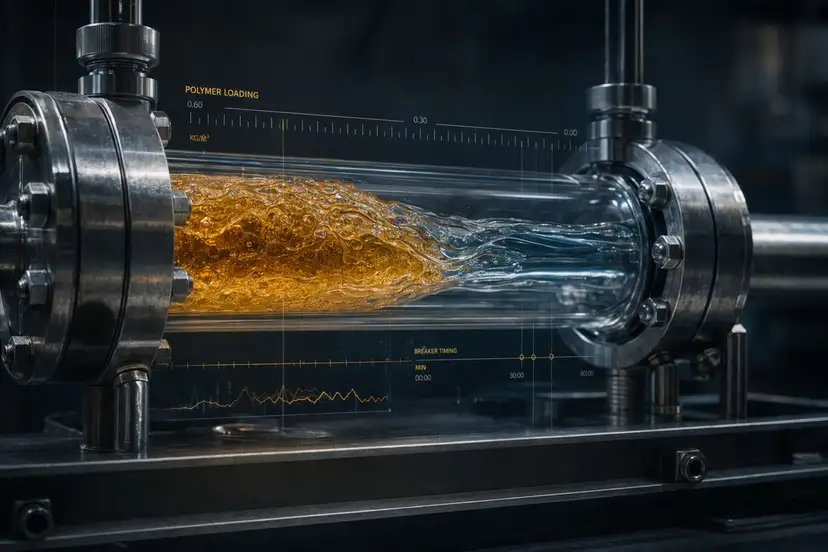
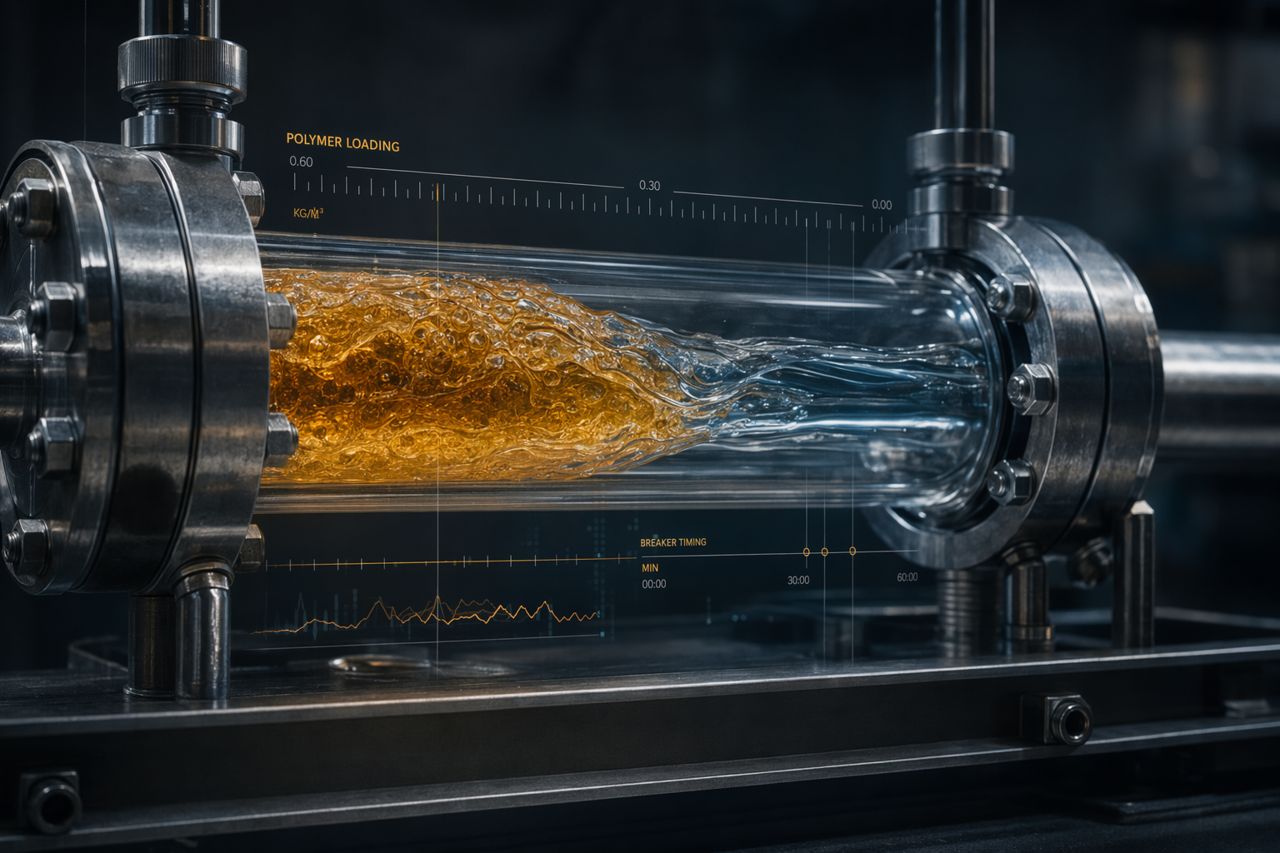
When guar quality, price, or availability changes, formulators may adjust polymer loading, hydration approach, crosslinker selection, friction-reducer balance, or fluid type. Those changes affect how a breaker package should be specified. A breaker program that performed cleanly with one guar source or loading can become too slow, too aggressive, or inconsistent when the base polymer changes.
For product managers and formulation teams, the commercial question is straightforward: how do you keep field-ready breaker timing, residue control, and fluid compatibility stable when guar supply is not?
FracTide Labs supplies enzyme breaker ingredients and formulation support for oilfield chemical suppliers that need reliable breaker behavior across practical operating windows.
Why Guar Volatility Changes Breaker Decisions
Guar-based fracturing fluids are built around polymer performance. When the guar market tightens or shifts, buyers may see changes in:
- Guar grade availability across standard, fast-hydrating, derivatized, or premium material streams
- Polymer loading targets as cost pressure pushes optimization
- Hydration consistency due to source, particle profile, or field mixing conditions
- Crosslinked-fluid behavior when viscosity development or temperature exposure changes
- Residue expectations in formations where cleanup and conductivity retention are commercial priorities
- Inventory planning when operators request short-notice fluid substitutions
These variables directly influence breaker package design. The breaker is not an isolated additive. It is part of the system response.
The Breaker Package Becomes a Risk-Control Tool
In stable supply conditions, a service company may lock a breaker package around a known guar source, a repeatable fluid recipe, and a familiar basin temperature range. During volatile supply periods, that assumption weakens.
A more resilient breaker package should help manage three risks:
1. Timing Drift
Breaker timing can shift when polymer loading, hydration quality, or gel structure changes. If the break is delayed, cleanup may suffer. If the break arrives too early, viscosity support may be compromised before the treatment objective is met.
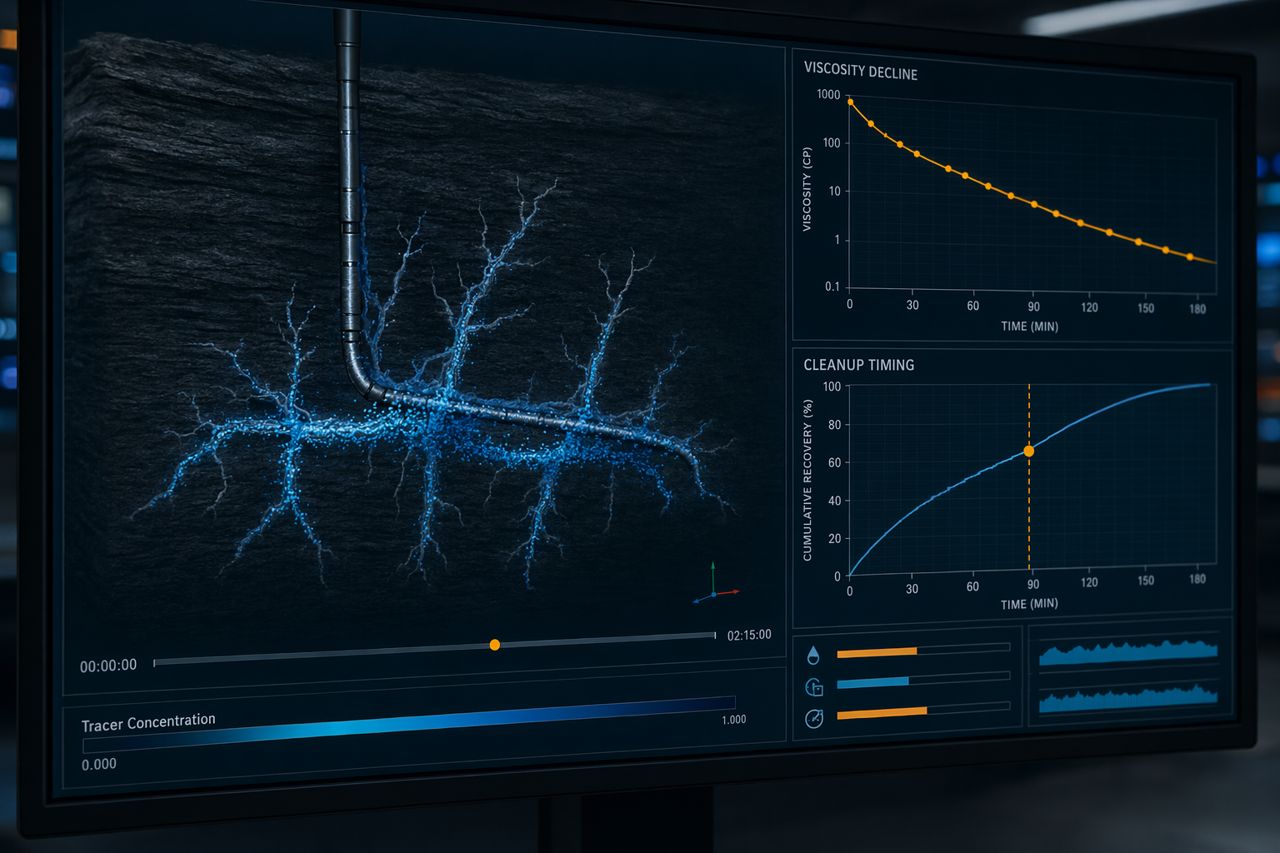
Enzyme breakers are often evaluated because they can support controlled polymer degradation under defined formulation conditions. The goal is not simply faster breaking. The goal is break timing that matches the fluid program, pump schedule, temperature profile, and cleanup target.
2. Compatibility Gaps
A breaker package must fit the full fracturing-fluid system. That includes the polymer, crosslinker, buffer, clay-control chemistry, biocide strategy, surfactant package, scale-control additives, produced-water tolerance, and salinity profile.
When guar sources change, compatibility work becomes more important. A supplier may need a breaker option that remains practical across several customer fluid recipes rather than one narrow formulation.
3. Procurement Exposure
If a breaker package relies on narrow raw material availability or long qualification cycles, it can amplify supply-chain risk. Product managers need ingredients that are technically suitable and commercially dependable.
Supply reliability matters because breaker products are not optional line items in field execution. They must arrive on time, match the formulation bill, and perform consistently after blending, storage, transport, and field use.
How Enzyme Breakers Fit Volatile Guar Markets
Enzyme breakers are used to degrade guar and guar-derivative polymers under appropriate conditions. For oilfield chemical suppliers, the value is in formulation fit rather than a generic label.
A practical enzyme breaker program should be reviewed against:
- Target fluid type: linear gel, crosslinked gel, hybrid systems, or specialty packages
- Temperature range expected during treatment and shut-in
- pH environment during hydration, crosslinking, and breaking
- Brine and produced-water compatibility expectations
- Desired break profile relative to pump schedule and cleanup window
- Blend format, storage expectations, and handling constraints
- Compatibility with oxidizers, encapsulated breakers, or multi-stage breaker designs where applicable
In volatile guar markets, enzyme breakers may help formulators build a more adaptable breaker toolbox. That toolbox can support multiple polymer loadings or guar sources while maintaining a controlled development path for each customer fluid.
Breaker Design When Guar Loading Is Reduced
When guar prices rise, some fluid programs may reduce polymer loading or shift toward hybrid packages. That can change breaker demand.
Lower polymer loading does not automatically mean breaker design becomes easier. Reduced gel strength, altered crosslink density, different friction-reducer contribution, or shorter designed fluid life may narrow the safe timing window. The breaker package still needs to support cleanup without destabilizing the fluid too early.
For product managers, the key is to validate breaker behavior inside the revised formulation rather than assuming a proportional adjustment.
Breaker Design When Guar Quality Varies
Quality variation can show up as differences in hydration rate, viscosity yield, insoluble content, or field mixing response. Even when the fluid appears acceptable at the blender, the break profile may not match the previous package.
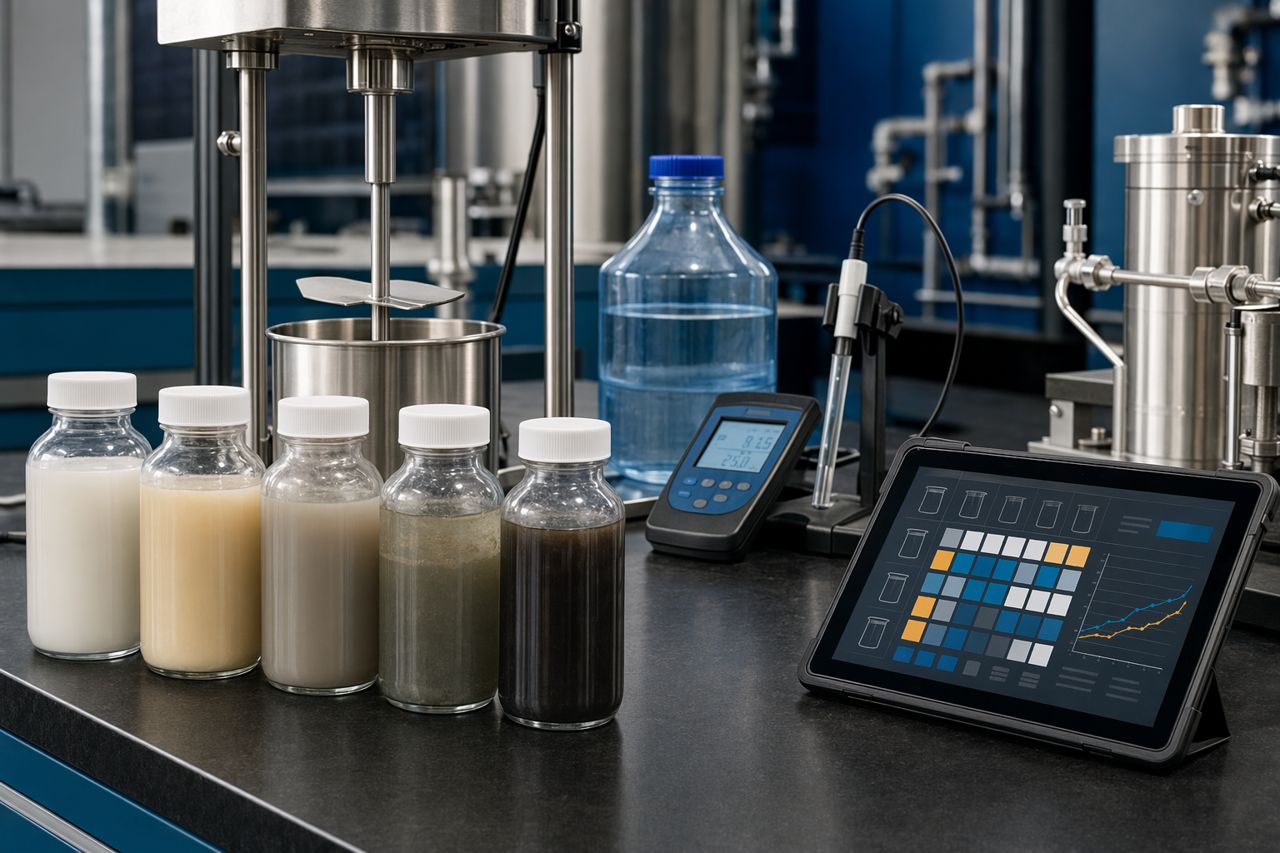
This is where field validation and formulation screening become commercially important. The most useful breaker supplier is not simply a raw material source. It is a technical partner that can help answer:
- Does the breaker still perform within the target temperature and pH window?
- Does it remain compatible with the revised fluid chemistry?
- Does the timing profile align with the customer’s treatment design?
- Does the final fluid condition support cleanup expectations?
- Can the additive be supplied in the required format and schedule?
Commercial Implications for Oilfield Chemical Suppliers
Guar volatility affects margins, inventory, customer commitments, and qualification workload. Breaker package design can reduce or increase that burden.
A resilient breaker strategy gives product managers several advantages:
- Faster reformulation cycles when guar source or loading changes
- Reduced field risk from breaker timing uncertainty
- Cleaner customer discussions around operating windows and application limits
- Improved inventory planning through dependable ingredient supply
- Better technical differentiation in competitive fluid tenders
In a tight market, the service company that can adjust fluid design without sacrificing control has a stronger commercial position.
What to Ask an Enzyme Breaker Supplier
When evaluating an enzyme breaker supplier for oilfield fluids, ask questions that connect technical performance to field execution:
- Which guar-based systems has the product been formulated for?
- What temperature, pH, and salinity ranges are practical for the intended application?
- How does the breaker behave in linear versus crosslinked systems?
- Can it be used in combination with other breaker technologies when staged breaking is needed?
- What blend formats and packaging options are available?
- What support is available for compatibility screening and field validation?
- How is supply continuity managed for recurring commercial programs?
These questions help separate generic enzyme supply from oilfield-focused breaker support.
FracTide Labs’ Approach
FracTide Labs works with oilfield chemical service companies that need enzyme breaker solutions aligned with real formulation constraints.
Our focus is practical: operating window, breaker timing, system compatibility, supply reliability, and validation support. We help product managers evaluate enzyme breaker options for guar-based and related fracturing-fluid systems without overextending claims beyond the tested formulation environment.
If your team is adjusting guar loading, qualifying a new guar source, or redesigning a breaker package for a customer tender, we can help review the enzyme breaker fit.
Request a Quote
Need an enzyme breaker supplier for oilfield fluids with formulation support and reliable commercial supply?
Request a quote through our on-site contact form
Share your target fluid type, temperature range, pH environment, salinity profile, desired break window, and packaging needs. FracTide Labs will respond with a practical supply and formulation-fit discussion.